
What Wayne County Property Tax Records Show
Start with the mailed notice. Wayne County asks owners to compare Market Value and Taxable Value side by side, because those two figures are not interchangeable. The notice may also be the clearest way to pin down the tax year. From there, split your questions by office. The Assessor owns value and exemption issues. The Recorder/Treasurer handles collection, delinquency, and sale status. Before comparing any figure from a map or an older notice, ask staff to name the record and the year.
| Field | What It Shows | Where |
|---|---|---|
| Market Value | Assessor's market-value field shown on the notice | Assessor |
| Taxable Value | Value after an applicable exemption is reflected | Assessor |
| Primary exemption | Residential exemption status and supporting application | Assessor; PT-23 at the office |
| Bill and delinquency | Tax due or collection status, if held for the parcel | Recorder/Treasurer |
| Tax-sale status | Published notice for the stated year | Recorder/Treasurer county page |
Every Wayne County tax account carries two key figures. Market value comes from the Assessor, while taxable value drops after any exemptions that apply. Neither number matches a recorded sale price. Neither one replaces an appraisal done for a sale, either. For that side of the story, the Wayne County property-value guide sorts out the differences. Here the focus stays on the tax bill, exemptions, and the review route through the property records that support them.
Read the Wayne County Primary-Exemption Difference
Wayne County publishes a clear exemption rule. A qualifying primary residential exemption creates a 45 percent taxable difference. To apply, an owner completes PT-23 at the Assessor's Office, shows a driver's license with the current physical address, and supplies two more proofs of address. The home must also be occupied by its owner or tenant for at least 183 consecutive calendar days in a year. Those are the stated conditions. Ask the Assessor which documents are accepted and how the account should display the decision.
An exemption flag is not a deed. It only shows that a tax treatment was recorded under an occupancy rule. If the name on the notice does not match the latest conveyance, have the Recorder/Treasurer and Assessor compare the instrument date with the tax year.
Follow a Wayne County Tax Notice to the Right Office
Keep the notice in hand whenever you call. The parcel serial, tax year, taxpayer name, and situs address let staff pull the right account fast. Route value questions to the Assessor. That covers Market Value, Taxable Value, any land or improvement split, and exemptions. The Recorder/Treasurer takes payment, delinquency, payoff, and sale-notice questions. Wayne County offers no online tax-bill portal, so treat the absence of a web page as no signal at all about the balance.
- Copy the parcel serial and year from the notice.
- Ask the Assessor which value and exemption fields apply to that year.
- Call the Recorder/Treasurer for bill status or payoff details.
- Request a written record or GRAMA copy when the amount or status must be documented.
Looking Up a Wayne County Tax Bill
Wayne County publishes no online tax-bill search. That leaves a simple path. Pull out a tax notice, or ask the Assessor for the parcel serial, then call the Recorder/Treasurer to confirm current bill status. Staff can also tell you whether a request belongs with the Assessor, the tax-collection office, or the Clerk/Auditor. One scheduling note matters. The Assessor reserves Fridays for field work, so bring assessment questions Monday through Thursday or call ahead.
- Use the notice or call the Assessor at 435-836-1305 or 435-836-1306 to identify the parcel.
- Call the Recorder/Treasurer at 435-836-1303 for bill and collection status.
- Ask which tax year the Market Value and Taxable Value represent.
- Ask whether any delinquency, lien, or tax-sale notice is recorded for that parcel.
- Market Value
- The Assessor's market-value figure for the stated tax year.
- Taxable Value
- The value used after applicable exemption treatment is reflected.
- Primary residential exemption
- Wayne's exemption with the county's stated occupancy and proof requirements.
- Tax lien
- A recorded or collection claim; confirm its status and any release with the custodian.
Friday Field Work Affects Wayne County Assessor Visits
The Assessor keeps office hours Monday through Thursday, 8 a.m. to 5 p.m. Fridays go to field work. The 2026 appraisal schedule names Fish Lake, Fremont, Notam, Caineville, and Hanksville areas. If your value question involves a rural property or a planned field visit, ask whether the parcel sits in the current work area. Also ask when staff can review the record. The county publishes no online replacement schedule or countywide reassessment date.
County offices also close from 12:30 to 1 p.m. for lunch. The official office page lists current contacts and the field-work note. So call before making the trip from outside Loa.
Wayne County Lists No Tax-Sale Parcels for 2026
Wayne County's 2026 office page states that no tax-sale parcels are listed for that year. Read that narrowly. It does not mean every parcel is current. It also does not answer an account-specific payoff question. For a named property, ask the Recorder/Treasurer directly about delinquency, notices, and payment status. An older notice or court case may exist. Compare its date and parcel reference against the county's current status.
Tax sale, tax lien, and foreclosure are distinct steps with distinct records. Search Utah Courts Xchange for a related case when needed. Then confirm any order, sale, or release with the Recorder. A tax-value field or a court-party hit alone never proves a sale.
Xchange caps public case summaries at 500 results. Its published access terms list a $10 one-time account charge, $0.20 search charges, and a separate $1 document-image charge. Verify the current schedule before use. A case hit can flag a foreclosure or lien dispute. It cannot show that a tax balance remains unpaid. It also cannot show that an instrument is still effective.
The Wayne County documents hub carries county budgets and notices. It is not, however, an account-level tax-bill search.
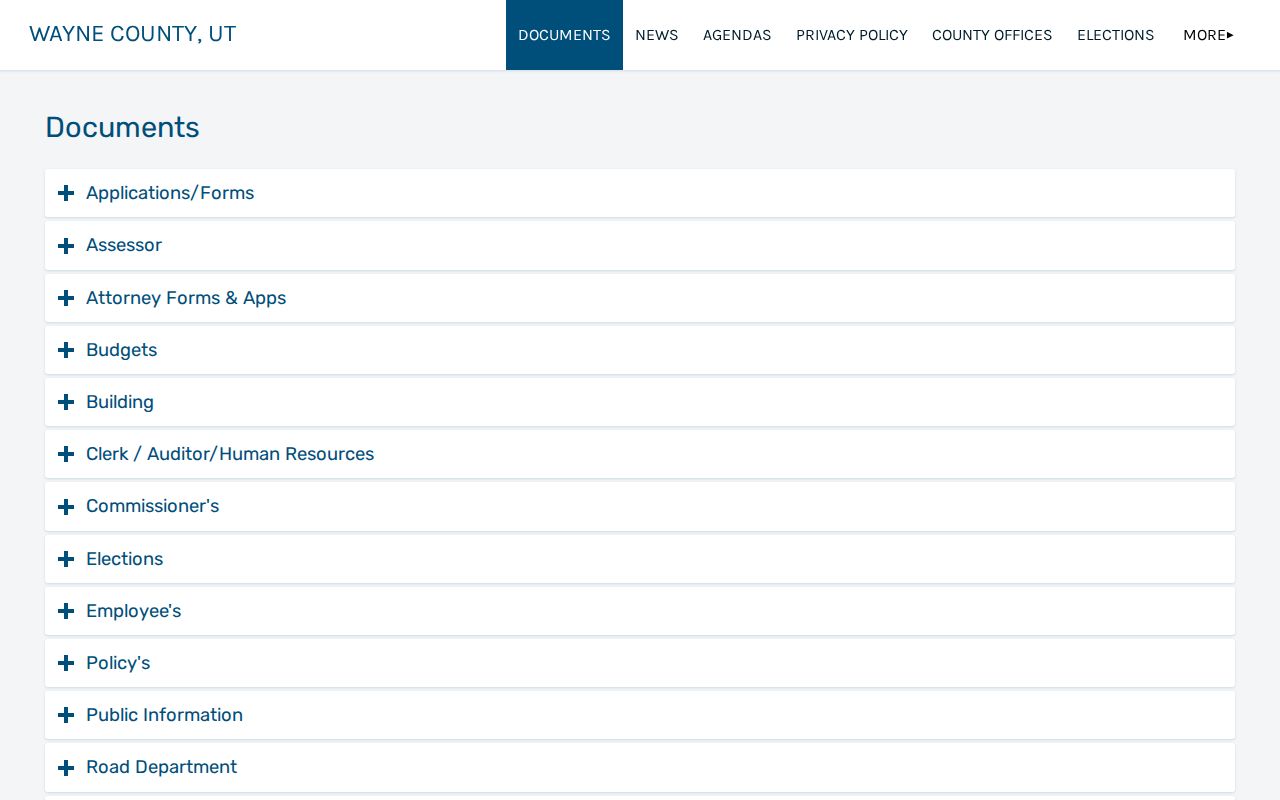
Use the hub for public county documents. Then call the Treasurer for a parcel's payment or delinquency status.
Request a Review of Wayne County's Locally Assessed Value
Utah's Property Tax Division supplies the review paperwork for a disputed valuation. Its PT-010 form is the state's locally assessed real-property review request. The Board of Equalization standard sets the rules the county must follow. An owner planning to appeal should read both. Filing windows follow the assessment year. The county sets its own calendar. Ask the office directly rather than relying on another county's dates. No Wayne-specific deadline or decision timeline is published. That makes the current notice and state guidance the only reliable sources.
Good evidence ties the parcel to the value being challenged. A recorded property description, recent condition notes, and comparable market information all fit that purpose. Keep the valuation appeal distinct from tax bill payment and title questions. Those are separate processes. The county page names the right contact. The PT-010 and Board standard define the state review path.
Before mailing anything, ask four questions. Which tax year does the notice cover? Is the value locally assessed? How does the county accept supporting documents? Which stage handles the review? Keep a copy of the notice and note the date the request was delivered. Any copy charges or appeal fees should come from the notice or the office itself.
An informal call to the Assessor can clarify what value or parcel description appears on the tax roll. It does not replace a filed appeal. Read the PT-010 and the Board standard together. Follow the instructions for the relevant year. Keep all evidence matched to the same serial number and legal description. If a filing comes back or gets routed elsewhere, ask which office owns the next step. Ask which date controls it.
Appealing a Wayne County Assessment
The Assessor can walk through the county's value record for a parcel. The appeal itself runs through Utah's locally assessed process. That process pairs the PT-010 valuation review with a Board of Equalization stage. Read the form and the current Board standard before filing. Verify the deadline with the county or the state form. No specific Wayne filing date is published, so none is given here. Keep the notice, parcel serial, legal description, and evidence together. Have them ready when asking about the review route.
Appeal window. Filing dates depend on the current assessment notice and appeal instructions. Check the current PT-010 and Board of Equalization standard, and confirm the Wayne County deadline before submitting evidence.