
Tracing Former Owners of a Wayne County Property
The trail starts with the newest grantee and steps back through each transfer. Wayne County has not published the Recorder/Treasurer's online coverage or the first deed-book year. So ask about the index range before you begin. Official land records stand apart from helpful historical collections. An archive, a library database, or a census can add color to a past owner's story. Only the deed describes the parcel itself, though. Treat it as the anchor for the whole property search.
| Source | Years It Covers | Where Held | What It Shows |
|---|---|---|---|
| Recorder grantor-grantee index | Years to confirm with the office | Wayne Recorder/Treasurer | Recorded parties and instrument references |
| Original deed books or microfilm | Older span not published | Ask Recorder/Treasurer | Earlier recorded transfers |
| Recorded plats | Plat dates to confirm by name | Recorder and Planning | Subdivision, lot, and block context |
| Archives and library collections | Collection-specific dates | Utah Archives and local library | Historical household and government context |
Use the Recorder's index for a title chain. Do this even when the latest deed is brand new. If the index runs dry, ask for a deed-book or microfilm reference. Then turn to the Archives for any government series that moved there. The Wayne County Public Library offers in-library Ancestry access. It covers land, probate, court, and directory collections. The library does not publish a confirmed run of local directory years. Verify coverage before relying on it.
| Backward step | Grantor to grantee | Record key to carry |
|---|---|---|
| Latest deed located | Current grantee from the instrument | Recording date, document reference, legal description |
| Prior transfer | Latest deed's grantor as earlier grantee | Same parcel serial or legal description |
| Older book range | Repeat the party link until index ends | Book, page, and cross-reference to verify with custodian |
Walk the Wayne County Chain from Grantee to Grantor
Every chain of title starts at the newest deed. Find the most recent recorded deed into the current owner of record. Copy the grantor, the grantee, the recording reference, the parcel number, and the complete legal description. Then search that grantor as a grantee in an earlier Wayne County conveyance for the same land. Repeat the step deed by deed. The parcel match keeps the chain honest. The county does not publish its index years or search modes. So ask the recorder whether the office can search by party, date, serial, or description. Ask also how it handles similar names.
- Locate the latest deed into the name on the current assessment record.
- Use its grantor as the next earlier grantee and keep the land description constant.
- Compare each instrument date and reference before extending the chain.
- When the index ends, request the older book or archive path rather than guessing a cutoff.
Need more on the deeds themselves? The Wayne County deed-record guide picks up the trail, with detail on deed instruments, copies, and how to request them.
Walking the Wayne County Deed Chain Backward
Every deed creates two name roles. A grantor conveys an interest; a grantee receives it. To trace former owners in Wayne County, reverse those roles one instrument at a time. The chain is only as reliable as the parcel match, so compare the legal description and parcel number on every deed instead of trusting a street name.
- Find the newest recorded deed into the present grantee.
- Copy the grantor, date, legal description, and any book or instrument reference.
- Search the grantor as an earlier grantee for the same parcel.
- When the online or paper index ends, ask the Recorder for the next older book or microfilm.
- Grantor / grantee
- Conveying party and receiving party named on an instrument.
- Chain of title
- The ordered recorded transfers tied to one parcel.
- Legal description
- The land description used to distinguish a parcel from a changing address.
Wayne County's Old Deed-Book Range Must Be Confirmed
Some basics about Wayne County's oldest deed books remain unpublished. The county does not post the first deed-book year. It also leaves the microfilm run, the online cutover, and the shelf location of the early volumes unpublished. Ask the Recorder/Treasurer for the oldest grantor-grantee index. Ask also for the book or image series that follows it. Wayne County split from eastern Piute County in 1892. That date does not guarantee the land records begin there. Earlier ownership may sit with a predecessor jurisdiction or another land record.
Utah State Archives holds name indexes and series inventories that reach older records. Ask the county for the series name and date range. Then ask the Archives whether that series was transferred.
Search Thurber as Well as Bicknell in Older Wayne Records
Bicknell began life as Thurber, named for A.K. Thurber. In April 1916 it took a new name. Thomas Bicknell had promised a 1,000-book library to whatever town adopted his. The old name still lingers in deeds, directories, newspapers, and family papers. Search both place names when you work through older Wayne County property records. Then compare the parcel description, not just the town label, before deciding a result belongs elsewhere.
Rural Wayne County land works the same way. Roads, routes, and postal labels shift over the years. Yet a deed may keep pointing to the same lot, block, acreage figure, or section description underneath the renamed address.
Use Wayne County Library Collections for Household Context
The Wayne County Public Library's genealogy page offers Ancestry Library Edition. It is for use inside the building. Its collections reach land, probate, court, census, vital, church, directory, naturalization, and passenger-list records. Those materials can tie a former owner of record to a whole household. The page itself lists no local city-directory year run and no complete obituary index. Plan around those gaps. The library genealogy page explains its database access.
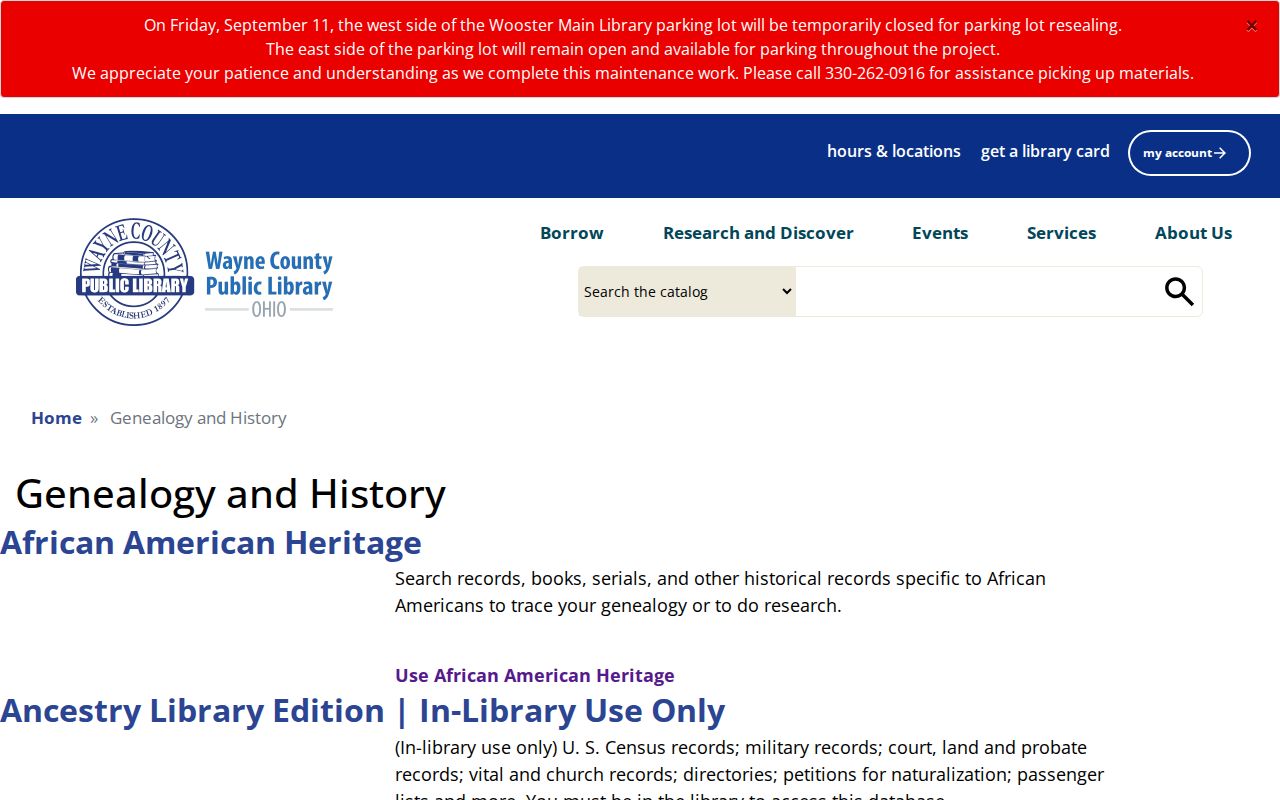
Run the owner name against both town names. Then carry any address or date clue back to the Wayne County Recorder's index.
Check the Wayne Coverage Note Before Using FamilySearch
FamilySearch's Utah State Archives collection offers record images for the counties it lists. Wayne County is absent from that coverage table. Treat the gap carefully. An empty table row does not prove that no Wayne deed or probate image exists. Search the catalog. Ask Utah State Archives directly about a series before concluding a record is missing. The Utah State Archives collection page describes the digital collection and its coverage limits.
FamilySearch's displayed collection does not cover everything. When a name, court case, or land series falls outside it, try the Archives catalog as a second path to Wayne County records.
Probate Can Explain a Wayne County Ownership Transfer
Sometimes a former owner died before the next deed was ever signed. Probate can explain the gap. The public portion of a probate case may name the personal representative, the heirs, and the legal description, and it can show sale authority or how land was distributed. Confirm the transfer itself in the Recorder's instrument. Xchange supplies case summaries. Recent court files stay with the creating court, while older files may sit at Utah State Archives. A death certificate links names, but it does not prove title by itself.
Utah DHHS runs a vital-record order portal for certified records statewide. Wayne County holds some local birth and death records from 1898 through 1959. Later local records go through Central Utah Public Health. Nonpublic certificates carry eligibility and ID rules.
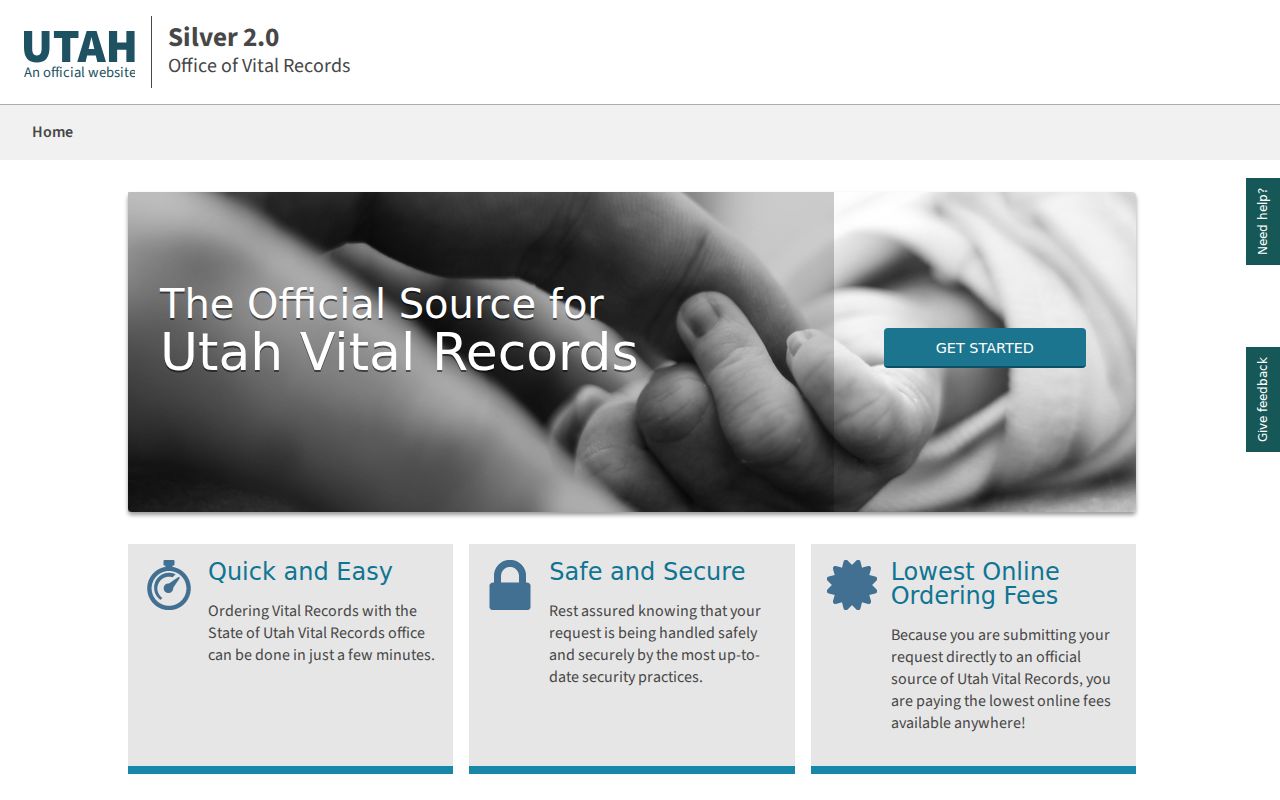
The state ID guidance covers identification for restricted vital records only.
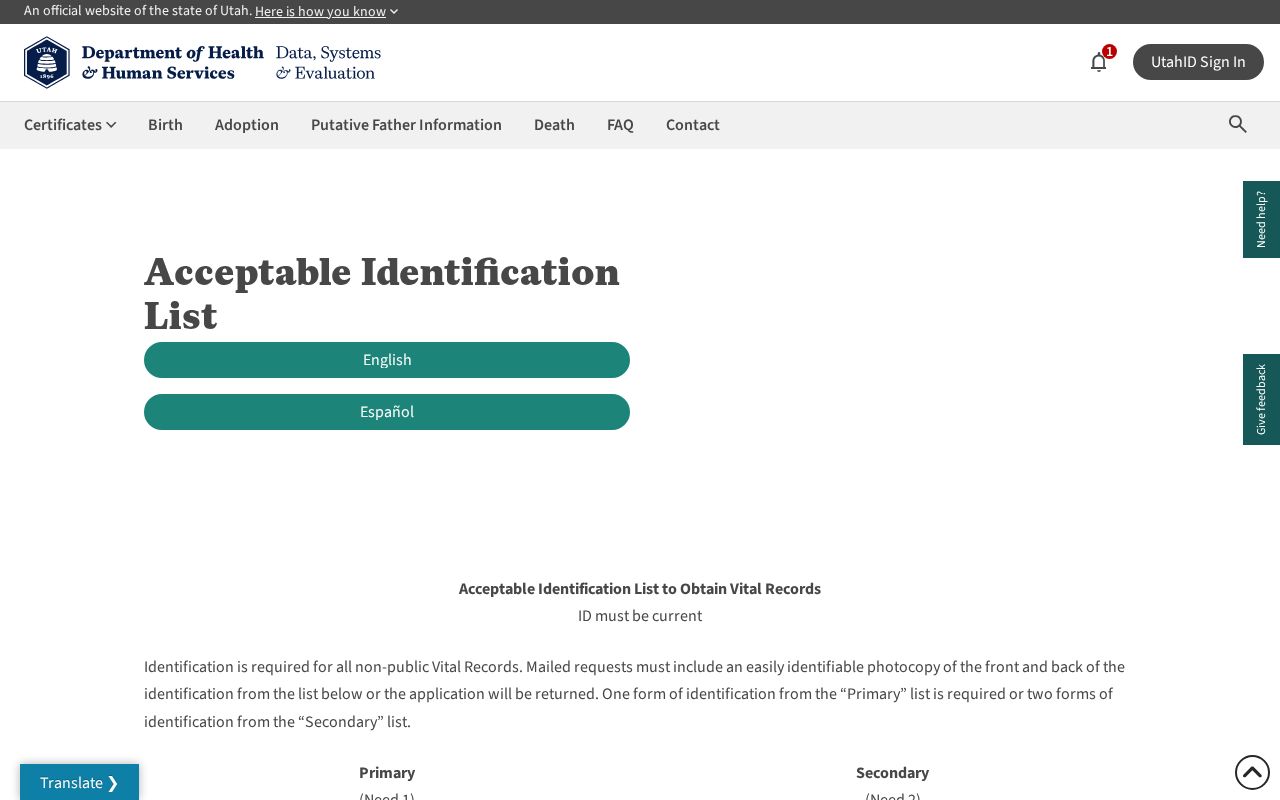
Keep the certificate request separate from the land-record request. Fees and eligibility change, so confirm both with the issuing custodian first.
How Far Back Wayne County Ownership Records Go
Wayne County publishes no exact deed-book start date. No gaps or imaging date are stated either. The county formed in 1892. Early settlement histories point to the 1870s, and Loa's townsite survey dates to 1878. Those facts alone set no cutoff for a title chain. Ask the Recorder directly about its book and index range. Also ask the Archives about any transferred records. Loa's historic lot-and-block descriptions matter here. They show why an old legal description can beat a current address in property records research.
Lawful use. Research previous owners for a parcel's history, title review, or documented property diligence. Do not use old records to track, threaten, or harass a living person.